Showing posts with label winter. Show all posts
Wednesday, March 23, 2016
Fish and Corn Chowder
Winter does not transition nicely into spring here in the Rockies. We've had temps in the 70's this week, but winter is lurking right around the corner. Actually, it's here! There's over a foot of snow in my yard and it's still coming down. Which means it's the perfect time for a hearty soup.
This is a very hearty soup, full of chunks of fish and potatoes. It's a meal in a bowl. I adapted it from a Jasper White chowder recipe. If you ever have a chance to eat at one of his Summer Shack restaurants (in Boston, Cambridge, and the Mohegan Sun Resort in Connecticut), do! It's the lobster shack to beat all lobster shacks. They carry a wide variety of New England-style seafood, not just lobster.
Fish and Corn Chowder
(serves 4-6)
2 oz. salt pork, finely chopped
1 Tablespoon butter
1 large onion, chopped
1 teaspoon dried thyme
1 bay leaf
1 Tablespoon flour
2 cups fish stock
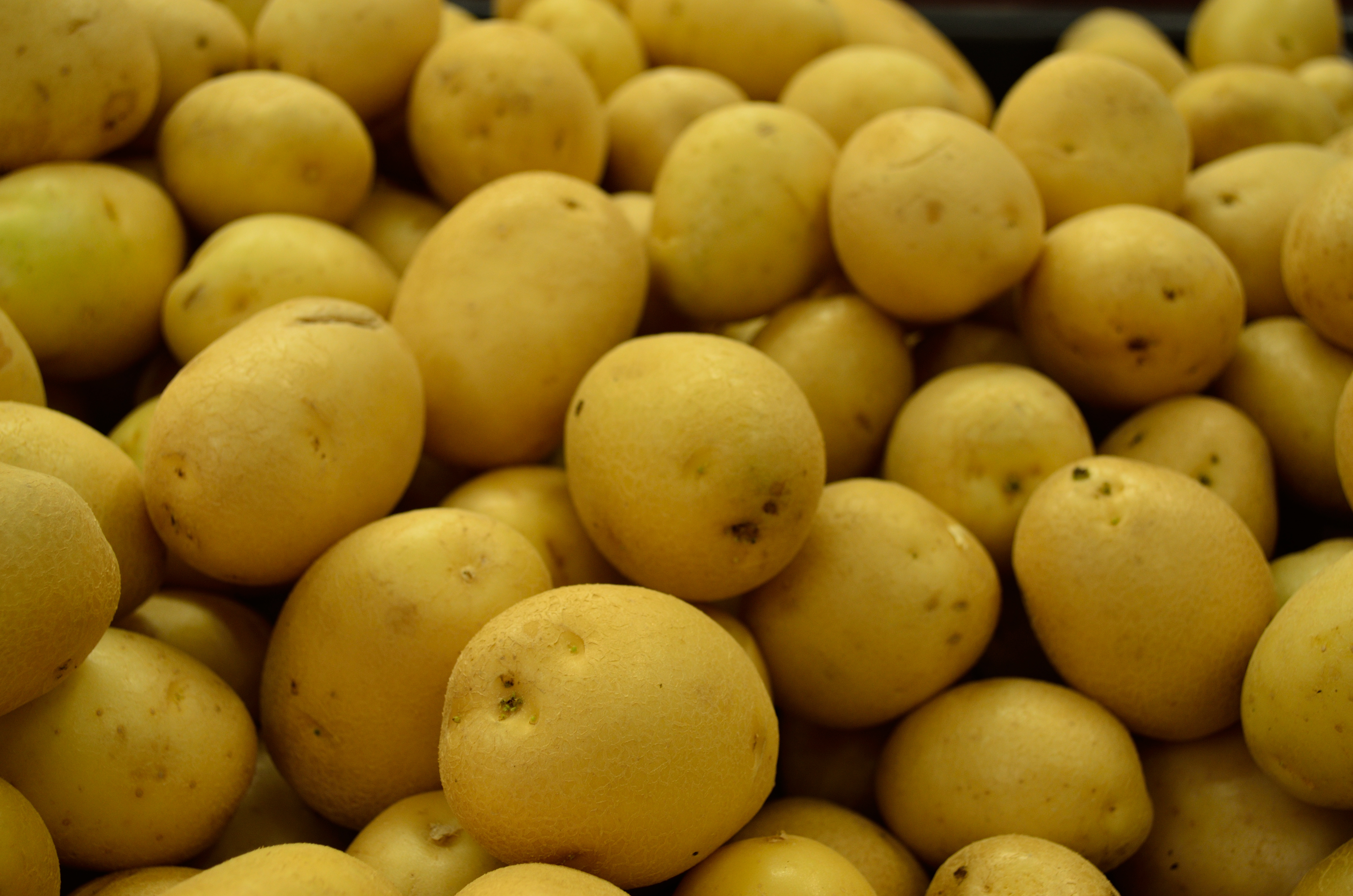
1 pound Yukon Gold or red potatoes, sliced ¼" thick
1+ teaspoons salt
½-1 teaspoon black pepper
1½ cups whole milk
1 cup fresh or frozen corn kernels
1½ pounds cod fillets, cut in large chunks
Optional garnishes: chopped chives, thyme leaves, oyster crackers
Heat a soup pot over low heat. Add the salt pork and cook gently until it starts to render its fat. Raise heat to medium and cook pork bits until crispy and golden. Remove from the pot with a slotted spoon and reserve for garnish. Add the butter, onion, thyme, and bay leaf. Cook, stirring often, until onions are soft and golden. Do not brown. If they start to brown, reduce the heat. Add the flour, and cook, stirring, for 1 minute. Add 1 cup of stock, stirring constantly, until soup thickens. It will be very thick. Add the 2nd cup of stock, again stirring, until the soup reaches a simmer. Add the potatoes, 1 teaspoon of salt, and black pepper. If the stock doesn't cover the potatoes, add enough water to keep potatoes submerged. Bring to a simmer, reduce heat to medium-low, cover partially, and cook for 15 minutes.
Taste for salt. It's hard to say how much you will need because there is a variable amount of salt in any commercial fish stock (and none added to homemade, usually) and the salt pork adds a lot too. You want the soup to be somewhat salty at this stage. You will be adding milk and fish and you want the soup to season them up.
Add the milk and corn. Heat soup until hot but do not boil. Add the fish and cook gently until fish is cooked, about 5 minutes. Taste one more time and add more salt and black pepper, if needed. The soup should be highly seasoned with pepper. Don't make it too salty, though, if you are garnishing with the salt pork bits.
To serve, garnish with salt pork bits, if desired. They are salty little bits of crunch but they are salty. You can also sprinkle on some chopped chives and fresh thyme for a bit of color. Oyster crackers are always a nice touch with chowder.
Adapted from a recipe in 50 Chowders by Jasper White, Scribner, 2000.
Saturday, March 5, 2016
Turkey Pasta Fagioli Soup
![]() |
| Turkey soup loaded with all sorts of good stuff! |
I created this soup to use up the stock and some frozen cooked turkey too. It's a meal in a pot, with white beans, pasta stars, and lots of vegetables. If you don't have cooked turkey in your freezer, get thickly sliced deli turkey breast and cut into bite-sized pieces.
Turkey Pasta Fagioli Soup
(serves 12)
3 oz. pancetta, diced
2 Tablespoons olive oil
1 large onion, chopped
2 large carrots, cut into half-moon slices
1 stalk of celery, sliced plus ½ cup chopped celery leaves (or use 2 stalks)
2 cloves garlic, minced
¾ teaspoon black pepper
1 Tablespoon salt (if using a salted stock, use 1½ teaspoons)
1 bay leaf
1 teaspoon dried rosemary, crumbled or use 1 6" long sprig of fresh rosemary
2 cups diced tomatoes, either fresh or canned
10 cups turkey stock
¾ cup pasta stars (or any other small pasta shape like alphabet pasta)
1 14-oz. can white beans, drained and rinsed
8 oz. cooked turkey, chopped into bite sized pieces
freshly ground pepper plus any of these optional garnishes: grated Parmesan cheese, chopped parsley, extra-virgin olive oil
Heat the oil in a large soup pot over medium heat. Add the pancetta and cook until the pancetta fat renders out. Add the onion, carrots, celery, and garlic. Sauté until onions are wilted. Add pepper, salt, bay leaf, rosemary, tomatoes, and turkey stock. Bring to a boil, then reduce heat to maintain a simmer. Partially cover and cook for 45 minutes. Add the beans and cooked turkey.
While the beans and turkey are getting hot in the soup, bring a pot of salted water to a boil. Add the pasta and cook until just al dente (check the box for the time needed for your pasta shape). Drain well. Once everything in the soup is hot, add the pasta. Taste for salt. Add garnishes as you serve the soup.
Wednesday, January 13, 2016
Homestyle Oven Chili with Cornbread Topping
Some stick-to-your-ribs winter food made easy. You can make this without the cornbread topping if you like. Serve it with rice.
Homestyle Oven Chili with Cornbread Topping
(serves 6)
1 recipe of School of Eating Good Cornbread
1 ½ pounds lean ground beef
½ medium onion, minced
3 large cloves garlic, minced
2 Tablespoons chili powder
2 teaspoons ground cumin
¾ teaspoon dried oregano
1 Tablespoon dry mustard
⅛ to ¼ teaspoon cayenne
1 ½ teaspoons salt
1 15-oz. can white beans, rinsed and drained
1 15-oz. can red kidney beans, rinsed and drained
1 8-oz. can tomato sauce
1 cup diced tomatoes (either fresh or canned)
Preheat oven to 350°F.
Prepare Cornbread. Set aside while you prepare the chili.
Heat a large ovenproof skillet or Dutch oven over medium-high heat. Cook ground beef, onions, and garlic, stirring often and scraping from bottom of the pan, until meat is no longer pink. Lower heat to medium. Spoon off all but 1 Tablespoon fat. Sprinkle with chili powder, cumin, oregano, dry mustard, cayenne, and salt. Cook, stirring constantly to prevent burning, for 2 minutes. Add beans, tomato sauce, and tomatoes. Stir to combine. Bring to a boil. Remove from heat. Pour the cornbread batter over the chili, smoothing to cover chili evenly. Place in the oven and bake until cornbread is done, 25-30 minutes. The cornbread will be nicely browned and a toothpick stuck in the cornbread will come out clean. Serve hot.
Homestyle Oven Chili with Cornbread Topping
(serves 6)
1 recipe of School of Eating Good Cornbread
1 ½ pounds lean ground beef
½ medium onion, minced
3 large cloves garlic, minced
2 Tablespoons chili powder
2 teaspoons ground cumin
¾ teaspoon dried oregano
1 Tablespoon dry mustard
⅛ to ¼ teaspoon cayenne
1 ½ teaspoons salt
1 15-oz. can white beans, rinsed and drained
1 15-oz. can red kidney beans, rinsed and drained
1 8-oz. can tomato sauce
1 cup diced tomatoes (either fresh or canned)
Preheat oven to 350°F.
Prepare Cornbread. Set aside while you prepare the chili.
Heat a large ovenproof skillet or Dutch oven over medium-high heat. Cook ground beef, onions, and garlic, stirring often and scraping from bottom of the pan, until meat is no longer pink. Lower heat to medium. Spoon off all but 1 Tablespoon fat. Sprinkle with chili powder, cumin, oregano, dry mustard, cayenne, and salt. Cook, stirring constantly to prevent burning, for 2 minutes. Add beans, tomato sauce, and tomatoes. Stir to combine. Bring to a boil. Remove from heat. Pour the cornbread batter over the chili, smoothing to cover chili evenly. Place in the oven and bake until cornbread is done, 25-30 minutes. The cornbread will be nicely browned and a toothpick stuck in the cornbread will come out clean. Serve hot.
Monday, November 30, 2015
Red Lentil and Squash Curry
Meatless Monday again! Today, I'll give you an important tip for up'ing the flavor in many meatless dishes. It's a good tip for many dishes, actually. It's extra-important in vegetarian food.
Brown your onions! It adds such depth of flavor. It's a common technique in Indian food, meatless or not. Experiment with dishes containing bold spices. I bet they are even better with browned onions.
Red lentils cook up pretty quickly. They turn yellow when cooked and have a smooth texture compared to brown lentils. Red lentils have become easy to find. I found them in all the major supermarkets in town. Usually, they are in the bulk section. You can also get them in Indian markets. Many supermarket produce sections now sell prepped butternut squash. Butternut squash can be a bear to peel and cut up, so this is a boon for squash lovers who find the peeling/cutting up daunting.
Red Lentil and Squash Curry
(serves 4-6)
1 cup dried red lentils, rinsed
3 cups water
½ teaspoon salt
2 Tablespoons vegetable oil
1 large onion, chopped
4 cloves garlic, minced
1 Tablespoon grated fresh ginger
½ teaspoon ground cumin
½ teaspoon ground coriander
½ teaspoon ground turmeric
pinch of cayenne pepper
¼ teaspoon black pepper
2 cups butternut squash, peeled and cut into 1" cubes
½ cup - ¾ cup low sodium vegetable stock
1 teaspoon salt (less if your stock is salty)
Combine red lentils, water, and ½ teaspoon salt in a medium saucepan. Bring to a boil, lower heat to maintain a simmer, and partially cover. Cook until tender and nearly all the water is absorbed, about 30-40 minutes.
Heat the vegetable oil in a large skillet over medium heat. Add the onion and cook until nicely browned, about 15 minutes. As the onions brown, you may have to reduce the heat to assure they don't burn. Stir often for even browning.
Add the garlic, ginger, cumin, coriander, turmeric, cayenne, and black pepper. Cook, stirring, for about a minute until the spices are fragrant. Add the squash, ½ cup vegetable stock, and 1 teaspoon salt. Stir to combine. Cover and simmer for 15-20 minutes until the squash is tender. If the moisture cooks away, add the last ¼ cup stock. When the squash is cooked, add the lentils and any cooking liquid. Stir to combine. Check for salt. Serve over hot rice.
Adapted from a recipe in Kitchen Garden magazine, Dec. 1996/Jan. 1997.
Labels:
easy,
Indian,
lentils,
meatless Monday,
onions,
spicy,
vegetarian,
winter,
winter squash
Tuesday, December 16, 2014
Persimmon Bread
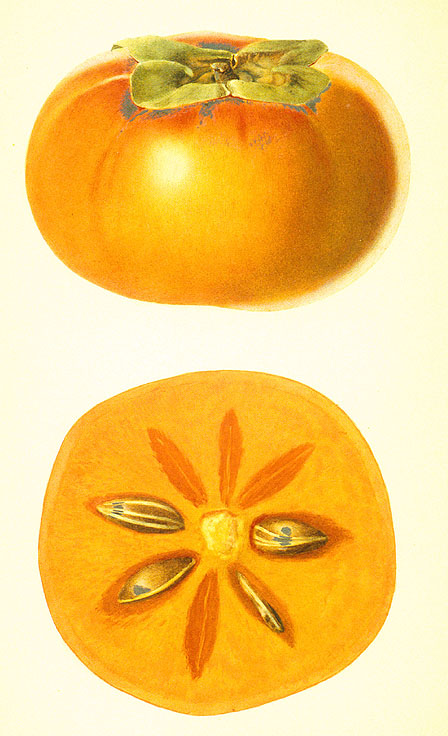
I don't eat a lot of persimmons. But, sometimes it's fun to step away from the parade of wintertime citrus, too-long-in-storage apples, and grapes from warmer climes. For the persimmon novice, you need to know there are two varieties and they are very different. One, the Fuyu, can be eaten while still slightly crunchy. They taste a bit like apples to me. You can also eat them when they are fully ripe. They will be sweeter and the texture will be slightly squishy.
| Fuyu Persimmon, small and squat and can be eaten while still crunchy. Illustration from USDA |
| Hachiya Persimmon, taller and can only be eaten when very soft. Illustration from USDA |
Rather then eat them out of hand, I used them to make persimmon bread, like banana bread. They add a nice flavor and plenty of sweetness. They are very sweet when ripe so there isn't a lot of sugar in this quick bread. This is a great snack or tea bread.
Persimmon Bread
(serves 12)
1 cup unbleached all purpose flour
1 cup whole wheat pastry flour
¾ teaspoon baking powder (1 teaspoon at sea level)
1 ½ teaspoon baking soda (same at sea level)
½ teaspoon salt
1 teaspoon ground cinnamon
¼ teaspoon ground nutmeg
2-3 Hachiya persimmons or 4-5 Fuyu, very ripe
1 stick unsalted butter, at room temperature
½ cup sugar
1 large egg, at room temperature
¼ cup sour cream
2 teaspoons almond extract
1 cup dried apricots, chopped
½ cup slivered almonds, toasted (see Note)
Adjust a rack to the middle of the oven . Preheat oven to 350°F. Lightly butter a 8"x4"x2½" loaf pan. Set aside.
Sift the flours, baking powder, baking soda, salt, cinnamon, and nutmeg into a medium bowl.
Cut each persimmon across the equator and gently scoop out the flesh: run the spoon under the skin to loosen the flesh, then spoon out the flesh away from the center part that is fibrous and contains the seeds. Place in a small bowl and mash the pulp with a fork. Measure out 1 cup of persimmon pulp. Any leftovers can be eaten with a spoon, frozen for another bread, or added to a smoothie.
Cream together the butter and the sugar until light and fluffy. Add the egg, and beat to combine well. Add the persimmon pulp, sour cream, and almond extract. Beat to combine. With the mixer on slow speed, slowly add the dry mixture, scrapping down the sides so everything is combined. Add in the dried apricots and toasted almonds and mix to distribute evenly. Scrape the batter into the loaf pan, set on a rimmed cookie sheet (in case it overflows; it shouldn't), and bake for 1 hour - 1 hour 10 minutes. The bread is done when a skewer comes out without any wet batter.
Let cool on a rack for 20 minutes. Remove from loaf pan and cool to room temperature. The bread is hard to slice when warm so be patient!
Note: to toast almonds, place nuts on a sheet pan in a 300°F oven for 8 minutes. Set a timer - it's easy to burn nuts. I speak from experience.
Adapted from Nicole Routheir's Fruit Cookbook by Nicole Routhier, Workman Publishing, 1996.
Sunday, April 13, 2014
Lamb Breast Stew with Olives
Lamb breast is not a common cut. It's also sometimes labeled lamb ribs. I got mine because I bought a whole lamb a while back. There's a fair bit of fat and a lot of connective tissue. It benefits from long slow braising. You can roast them too, like pork ribs, but all that cartilage makes for a particularly rich stew. If you can find some lamb ribs, you really should try this. It is marvelous.
Lamb Stew with Olives
(serves 6)
1 Tablespoon olive oil
2 to 2 ½ pounds lamb breast, cut into ribs
salt and pepper
2 oz. pancetta, diced
2 yellow onions, thinly sliced
1 28-oz. can diced tomatoes, undrained
4 medium potatoes, peeled and quartered (about 1 pound)
1 sweet potato, peeled and cut into chunks (about 1 pound)
1 cup pitted Kalamata olives
chopped parsley for garnish (optional)
Season lamb with salt and pepper. Heat oil in a dutch oven. Brown lamb on all sides. Push to the side and add pancetta. When it starts to render its fat and sizzle, add the onions. Saute onions for 5 minutes. Add tomatoes and a generous sprinkling of black pepper. Add water to almost cover the lamb. Bring to a boil, reduce to a simmer, cover, and cook for 30 minutes (or longer). About 45 minutes before you will serve the stew, add the potatoes and olives. Cover and cook until potatoes are tender. Season generously with pepper. You probably won't need additional salt because the olives and pancetta are salty.
Labels:
black olives,
braise,
lamb,
one pot,
potatoes,
stew,
sweet potatoes,
winter
Monday, March 4, 2013
Scotch Broth
![]() |
| Not the prettiest soup, but it does stick to your ribs |
I have a whole lamb in my freezer. No, not the whole carcass, but a whole lot of cuts of lamb. It was about 50 lbs. of cut lamb with some cuts that you don't usually find in the supermarket or even your local butcher. Things like lamb breast and neck slices. There isn't a lot of meat on neck slices but they are full of rich flavor. Time to make some soup!
There isn't a lot of meat in this. This is how those thrifty Scots stretched a little bit of meat. As I said, I used neck slices, but a meaty lamb bone from a leg of lamb roast would work great too. Just make sure there is some meat left on it to throw into the soup. It's full of vegetables and it gets its heft from a bit of barley and some yellow split peas. Great for a wet, chilly day. They have a lot of those in Scotland, I'm told.
Scotch Broth
(serves 8-10)
Saturday, December 15, 2012
Lamb and Walnut Stew
![]() |
| Lamb and Walnut stew over Israeli couscous |
I love pomegranate molasses. It's highly reduced pomegranate juice and it is intense and syrupy. Like molasses, but it has a tart-sweet flavor that is totally unique. You can find it in ethnic grocery stores (ones with a good selection of Middle Eastern products are a good bet) or high-end supermarkets, like Whole Foods.
A little of this stuff goes a long way, given its intensity. Which means that a bottle of it lasts a long, long time. It does keep forever but I'm always on the look-out for recipes that use it effectively.
This is a richly flavored stew perfect for winter. Though the pomegranate molasses is sweet, it is not overly sweet. A perfect balance of sweet, tart, and spicy. Not hot spicy but exotic spicy.
This recipe is from Sephardic Cooking by Copeland Marks (Primus, 1994), an incredible collection of Sephardic recipes from Europe, Africa, and Asia. Sephardic Jewish cooking retains more of its Middle Eastern roots and is normally associated with the Mediterranean. But, Sephardic cooking comes from such unexpected places as India and Central Asia. This recipe is Persian, what is now known as Iran. I used lamb but you could make this with any meat: chicken parts, turkey thighs, beef, or veal.
Like most stews, this tastes even better after it's chilled overnight and reheated. It freezes great too.
Fesenjan: Meat Stew in Pomegranate and Walnut Sauce
(serves 6)
Monday, January 16, 2012
Turkey Thighs in Herbed Tomato Sauce
In November I posted a recipe for polenta. Back then, I said that the polenta is only part of the recipe. The main recipe is turkey thighs cooked in a tomato sauce flavored with dried porcini mushrooms and dried herbs. The porcini is a key element so, though it's an expensive ingredient, don't leave it out. Turkey thighs have a rich, gamey flavor that I love and they go nicely with the woodsy porcini. This is a hearty dish, particularly when you serve it over some stick-to-your-ribs polenta.
Turkey Thighs in Herbed Tomato Sauce
from Rick Rodgers' The Turkey Cookbook
(serves 4)
Saturday, January 1, 2011
Ham Bone Split Pea Soup
![]() |
| A ham with a bone. A boon to soup-lovers! |
How I love split pea soup! And the best split pea soup starts with a meaty ham bone. I expect there are lots of ham bones in fridges right now. Hopefully, when you carved up your Christmas or New Year's ham, you did not discard the bone. If you had, that would be very sad. I nearly took off my husband's head when he went to toss our Christmas ham bone in the garbage. What a waste of fantastic hammy flavor! It is so simple to make split pea soup. The hardest part is pureeing some of the soup in the blender. You don't have to do this but it improves the texture of the soup a great deal.
Sharon's Ham Bone Split Pea Soup
(serves 6-8)
1 tablespoon Butter or Oil
1 medium Onion, chopped
2 Carrots, cut in half lengthwise then into ¼" slices
6 cloves garlic chopped
1 pound Dried Split Peas, rinsed and picked over
10 cups Ham Stock, or water, or combination of both
1 meaty Ham Bone
1 Bay Leaf
a few sprigs of fresh Thyme
1 cup Diced Ham
Salt , to taste (if using ham stock, may need none)
½ teaspoon Black Pepper
hot pepper sauce (optional)
Heat butter or oil in a large soup kettle over medium-low and cook onions and carrots, stirring, for about 5 minutes. Add in garlic and cook another minute. Add split peas, ham stock or water, ham bone, bay leaf, and thyme and simmer, uncovered, stirring occasionally. If soup gets too thick, add 1 to 2 cups more water. Cook until split peas are tender, for about 2 hours. Discard bay leaf and thyme.
Ladle soup into a blender to fill blender container. Puree until smooth. You can puree some of the soup, or all of it, depending on what texture you like best. Return to soup kettle. Add ham meat to kettle and simmer soup, stirring, until heated through. Season with salt (if needed) and pepper. Serve with hot sauce, if desired.
Sunday, December 26, 2010
Oh so rich Potato Gratin
I made this recipe for our Christmas dinner. It was a huge hit. Well, of course, it was! It's so darn rich you'd have to be crazy not to love it. I pulled this recipe from the New York Times Temporary Vegetarian column. My recipe below is adapted from the NY Times recipe since I found the cooking times in the original total fantasy. Sometimes I wonder if the recipes are tested. This recipe came from a restaurant chef, so I have to assume he did make it. But, I'm thinking something got lost in the translation to a recipe for home cooks.
As with my "slim" potato gratin recipe (see here), a mandoline makes the process of slicing the potatoes much easier. You can slice the potatoes by hand. They will probably come out a bit thicker and less even, but it will still work out ok.
Potato and Swiss Chard Gratin
(serves 10 - 12)
Adapted from DBGB Kitchen & Bar, Manhattan, via the New York Times
1 pound Swiss Chard Leaves And Slender Stems, stems cut into 1⁄4-inch cubes
2 ½ cups Heavy Cream
1 Garlic Clove, smashed
1 small Shallot, sliced
2 Thyme Sprigs
1 Bay Leaf
¼ teaspoon Freshly Grated Nutmeg
3 pounds (6 to 8 medium) Yukon Gold Potatoes, peeled
1 Tablespoon Butter, at room temperature
Salt And Black Pepper
6 ounces Grated Gruyère
1. Heat the oven to 350°F, and place rack in the center. Bring a large pot of lightly salted water to a boil; set a bowl of ice water on the side. Boil the chard leaves until tender, 3 to 5 minutes, then transfer with a slotted spoon to the ice water. Squeeze them dry and chop roughly. Boil the diced stems until tender, 3 to 5 minutes. Drain well and add to chopped chard leaves.
2. In a small saucepan, bring the heavy cream, garlic, shallot, thyme and bay leaf to a simmer over medium-low. Watch carefully because cream can boil over quickly. Reduce heat to low and simmer to reduce somewhat, about 30 minutes. Strain out the solids and add the nutmeg.
3. Meanwhile, slice the potatoes into ⅛-inch-thick rounds with a mandoline or sharp knife. Butter a 12- to 14-inch gratin dish or dutch oven. Make sure that it is at least 4" high. Start with a layer of one-third of the potatoes, overlapping the slices. Sprinkle potatoes with salt and pepper. Add half the Swiss chard, and one-third of the Gruyère cheese. Dribble on one-third of the cream mixture. Layer on another third of the potatoes, salt and pepper, the other half of Swiss chard, and another third of the cream and Gruyère. Finish up with the rest of the potatoes, salt and pepper, the remaining cream, and the rest of the cheese.
4. Bake until the top is browned and the potatoes are fork-tender, about 1 hour, 15 minutes.
Thursday, January 14, 2010
A Different Take on Split Pea Soup
I love split pea soup. Traditionally, split pea soup is split peas, vegetables such as carrots, onions and potatoes, and maybe a ham bone. That's all good, but it is pretty basic.
This week, I made a split pea soup from Sundays at Moosewood Restaurant, one of the many Moosewood cookbooks. Moosewood is a vegetarian restaurant in Ithaca, New York that has been around a very long time. It was in Ithaca when I went to college in upstate NY and that was quite a while ago. It's still there; I drove by when I was in Ithaca last October. If my daughter decides to go to school in upstate NY, I might actually eat there. I wasn't much interested in vegetarian food when I was in college, so I never ate there way back then.
This recipe is different because it draws on the delectable spices of North Africa. The spices and the onions bring out the sweetness in the peas. It is a warming bowl of soup.
Split Pea and Rice Soup
(serves 6)
1 1/2 cups dried split peas
4 1/2 cups water
3 bay leaves
1 large onion (about 3 cups), chopped
3 large cloves of garlic, minced
2 tablespoons olive oil
1 1/2 teaspoon ground cumin
1 teaspoon cinnamon
1/4 teaspoon cayenne
3/4 teaspoon ground cardamom
3 cups stock (vegetable or chicken)
1 tablespoon fresh lemon juice
3/4 cup cooked brown rice
2 teaspoons kosher salt
1/2 teaspoon freshly ground black pepper
1/4 cup chopped fresh parsley
1. Rinse split peas. Put them in a soup pot with water and bay leaves. Bring to a boil, cover and reduce to a simmer and cook for 45 minutes.
2. In a large skillet, heat olive over medium heat. Add onions and garlic. Cook until golden, but do not brown. Add spices and cook for another 10 minutes. Watch carefully so that spices don't burn.
3. Add the onion mixture to the peas along with stock. Simmer, covered, for another 30 minutes or until peas are very soft.
4. Add remaining ingredients and simmer for 10 minutes until hot.
Link to PDF of Split Pea and Rice Soup Recipe
This week, I made a split pea soup from Sundays at Moosewood Restaurant, one of the many Moosewood cookbooks. Moosewood is a vegetarian restaurant in Ithaca, New York that has been around a very long time. It was in Ithaca when I went to college in upstate NY and that was quite a while ago. It's still there; I drove by when I was in Ithaca last October. If my daughter decides to go to school in upstate NY, I might actually eat there. I wasn't much interested in vegetarian food when I was in college, so I never ate there way back then.
This recipe is different because it draws on the delectable spices of North Africa. The spices and the onions bring out the sweetness in the peas. It is a warming bowl of soup.
Split Pea and Rice Soup
(serves 6)
1 1/2 cups dried split peas
4 1/2 cups water
3 bay leaves
1 large onion (about 3 cups), chopped
3 large cloves of garlic, minced
2 tablespoons olive oil
1 1/2 teaspoon ground cumin
1 teaspoon cinnamon
1/4 teaspoon cayenne
3/4 teaspoon ground cardamom
3 cups stock (vegetable or chicken)
1 tablespoon fresh lemon juice
3/4 cup cooked brown rice
2 teaspoons kosher salt
1/2 teaspoon freshly ground black pepper
1/4 cup chopped fresh parsley
1. Rinse split peas. Put them in a soup pot with water and bay leaves. Bring to a boil, cover and reduce to a simmer and cook for 45 minutes.
2. In a large skillet, heat olive over medium heat. Add onions and garlic. Cook until golden, but do not brown. Add spices and cook for another 10 minutes. Watch carefully so that spices don't burn.
3. Add the onion mixture to the peas along with stock. Simmer, covered, for another 30 minutes or until peas are very soft.
4. Add remaining ingredients and simmer for 10 minutes until hot.
Link to PDF of Split Pea and Rice Soup Recipe
Labels:
Ithaca,
Moosewood,
Morroccan,
rice,
soup,
split peas,
vegetarian,
winter
Monday, November 30, 2009
Turkey and Wild Rice Soup
I think turkey and wild rice go together exceptionally well. They are both native Americans. One can imagine that they have been served together in the Upper Midwest for many centuries.
Wild rice is not a true rice, but it is close relative. It is an aquatic grain native to the Great Lakes and wet forested areas in Alberta, Saskatchewan, and Manitoba. Much of it is no longer "wild" as it is grown commercially in California. When I am very good, my dear friend Kasja brings me wild rice from Minnesota, where it is the state grain.
This is a hearty soup, perfect for a post-Thanksgiving dinner. Just add crusty bread.
Turkey and Wild Rice Soup
(serves 4)
1 tablespoon vegetable oil
1 carrot, peeled and diced
1 small onion, peeled and diced
4 cups turkey stock
1/4 cup wild rice, rinsed
1 16 oz. can white or yellow hominy, drained
1 cup diced cooked turkey (optional)
3-4 tablespoons chopped cilantro
1 tablespoon fresh lime juice
1/2 teaspoon freshly ground black pepper
1/2 to 1 teaspoon kosher salt
1. Heat oil in a 4 quart saucepan over moderate heat. Add carrot and onion. Saute until onion is translucent.
2. Add stock and wild rice. Bring to a simmer, reduce heat and cook partially covered for 1 hour. Wild rice takes quite a while to get tender. If the rice has absorbed a lot of the stock, add 1-2 cups of water.
3. Add hominy and turkey (if using). Cook for about 5 minutes until hominy and turkey are heated through.
4. Add cilantro, lime juice, pepper and salt to taste. If your stock is unsalted, you will need at least 1 tsp. If your turkey was brined, the stock will be seasoned with some salt already and you'll need less.
5. Serve hot.
Link to PDF of the Turkey and Wild Rice Soup
Subscribe to:
Posts (Atom)